


Champion Intensity At Its Peak

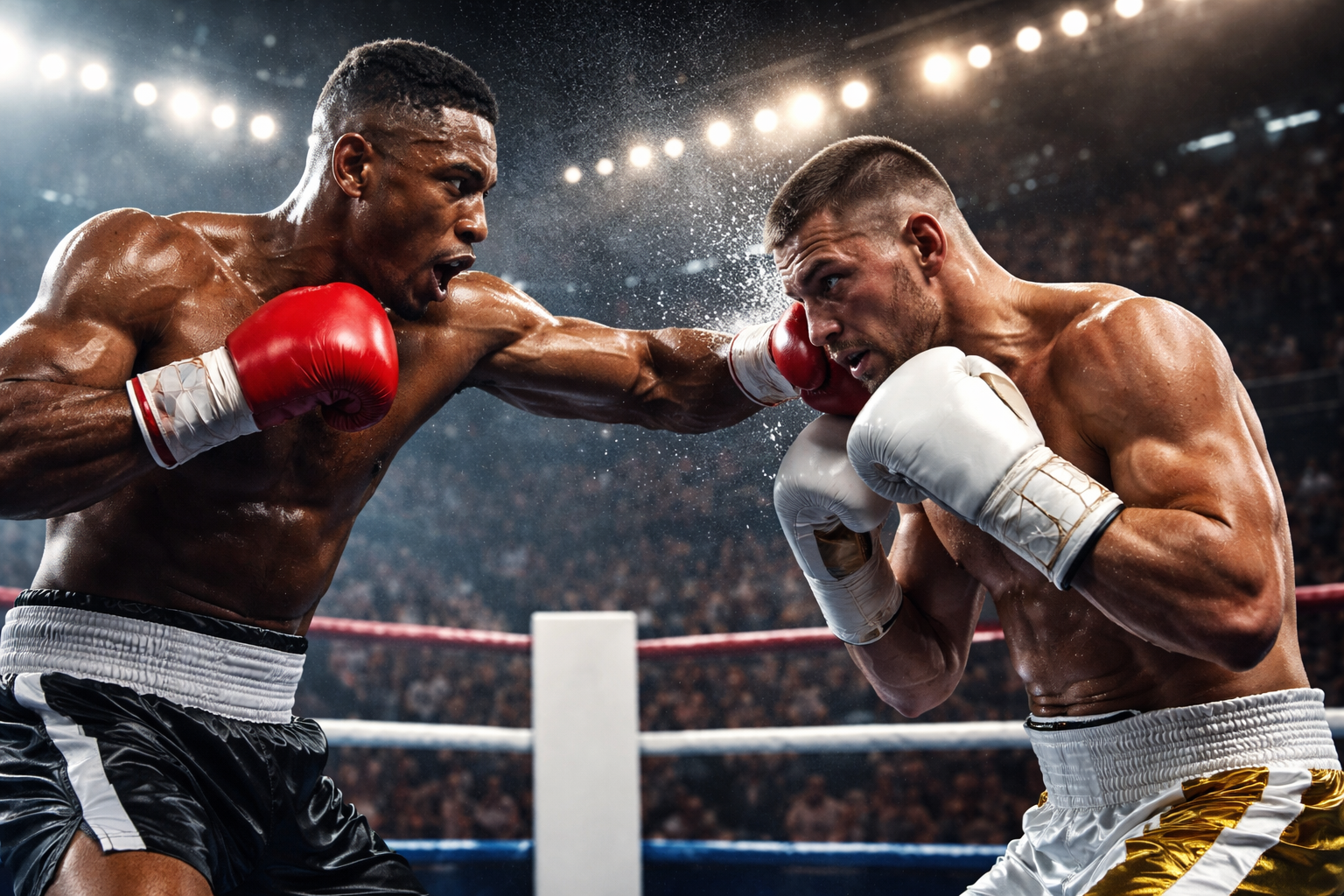
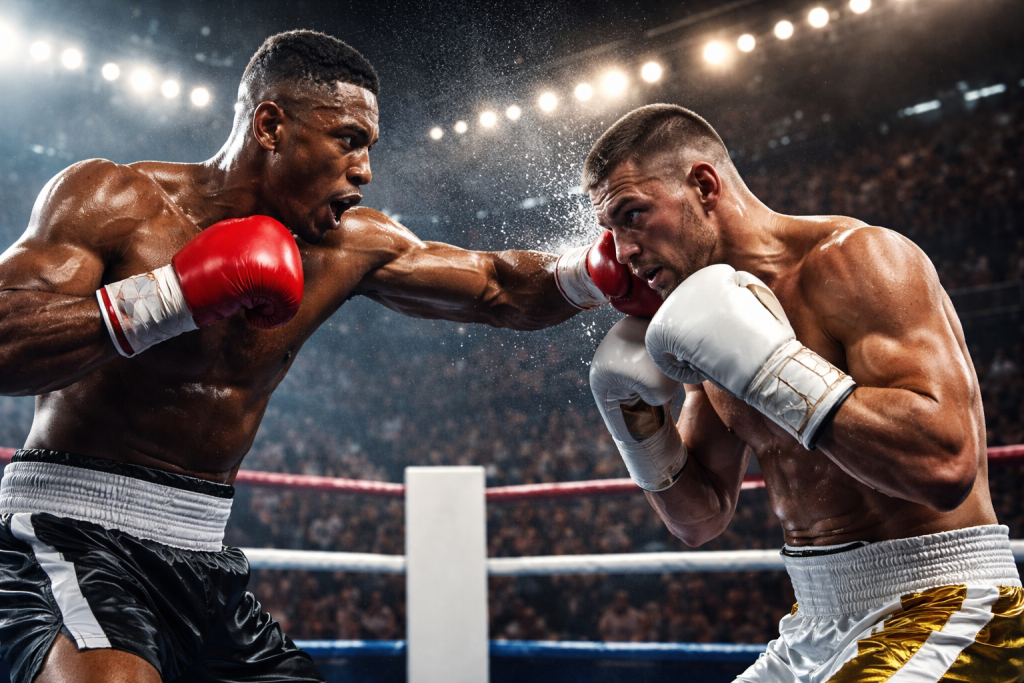
Boxing has long been regarded as one of the most demanding and respected sports in the world. While many see it simply as two athletes competing in a ring, those who understand the sport recognize that boxing is a calculated art form built on discipline, strategy, endurance, and mental strength.
The modern popularity of boxing surged during the 20th century as global competitions, championship titles, and televised fights brought the sport into homes worldwide. Legendary bouts became cultural moments, turning fighters into icons and inspiring generations of young athletes. Today, boxing continues to thrive through professional leagues, amateur tournaments, and fitness-focused training programs.
At its core, boxing is not about aggression — it is about control. A successful boxer must master footwork, timing, defensive movement, and precision. Every punch thrown requires balance. Every defensive slip demands awareness. The difference between victory and defeat often comes down to strategy rather than strength alone.
Training for boxing is intense and structured. A typical routine includes:
- Cardiovascular conditioning for endurance
- Strength training for power
- Heavy bag drills for technique
- Sparring sessions for tactical improvement
- Core workouts for stability and balance
Mental conditioning is equally important. Fighters must remain calm under pressure, think several moves ahead, and adapt instantly to their opponent’s strategy. Unlike many team sports, boxing places full responsibility on the individual. There is no substitution, no timeout to regroup — only focus and resilience.
Interestingly, boxing has also evolved into one of the most effective fitness programs worldwide. Many people train in boxing gyms not to compete, but to improve overall health. The combination of high-intensity interval training, strength conditioning, and coordination drills makes boxing an exceptional full-body workout. It improves cardiovascular health, burns calories efficiently, and builds lean muscle.
Beyond the physical benefits, boxing teaches discipline and confidence. The structured environment of a gym fosters respect, patience, and perseverance. Young athletes, in particular, benefit from the mentorship and goal-setting that boxing culture promotes. Learning to push through fatigue and overcome challenges inside the ring often translates into stronger character outside of it.
Equipment and safety standards have also improved significantly over time. Modern gloves, protective gear, regulated weight classes, and medical supervision have made the sport safer than in its early years. Professional organizations now emphasize athlete health and long-term well-being more than ever before.
Another reason for boxing’s lasting appeal is its simplicity. The rules are straightforward, yet the execution is endlessly complex. Two competitors. One ring. Strategy versus strategy. Power versus precision. It is this balance that keeps audiences engaged and athletes motivated.
In recent years, digital media and streaming platforms have introduced boxing to younger audiences. Training tutorials, fight analysis, and behind-the-scenes documentaries have expanded the sport’s reach globally. Social media has also allowed fighters to build personal brands, connect with fans, and promote upcoming matches more effectively than ever before.
Despite changes in technology and training methods, the essence of boxing remains the same. It is a sport built on preparation, courage, and calculated risk. Every match tells a story — of sacrifice, hard work, and determination.
Whether someone steps into the ring to compete professionally or simply trains for fitness and self-improvement, boxing offers something unique. It challenges both body and mind. It demands respect for the craft. And above all, it rewards those willing to dedicate themselves fully.
Boxing is not merely about throwing punches. It is about mastering movement, understanding rhythm, and developing the mental strength to face adversity head-on. That is why, generation after generation, boxing continues to stand as one of the most powerful and respected sports in the world.


 All products